📱 Smartphone Specs Decoded: What Do All Those Numbers Actually Mean?
Buying a new phone can feel overwhelming. Processor cores, gigabytes of RAM, camera megapixels, screen refresh rates—it's a alphabet soup of technical jargon. But understanding these specifications is the key to choosing a phone that truly fits your life, without overspending on features you'll never use. This comprehensive guide breaks down every major smartphone spec in simple, non-technical language.
1. 🧠 The Processor (CPU/SoC) – The Brain of Your Phone
What it is: The Central Processing Unit (CPU) or System on a Chip (SoC) is the engine of your smartphone. It handles everything from opening apps to running complex games.
Key Terms to Know:
- Cores: Think of these as workers in a factory. More cores (dual, quad, octa-core) generally mean better multitasking ability.
- Clock Speed (GHz): How fast each "worker" can process tasks. Higher GHz often means faster performance for demanding apps.
- Architecture/Generation (e.g., Snapdragon 8 Gen 2): Newer generations are significantly more powerful and energy-efficient than older ones. The manufacturing process (e.g., 4nm) is also crucial for efficiency.
Pro Tip: Don't just count cores. A modern quad-core chip can easily outperform an older octa-core processor. Always check real-world performance benchmarks in reviews.
2. ⚡ RAM (Random Access Memory) – The Phone's Short-Term Memory
What it is: RAM is your phone's super-fast temporary workspace. It holds the apps and data you're actively using so you can switch between them instantly.
How Much Do You Need?
- 4GB: Suitable for light users (social media, web browsing, light apps). May struggle with heavy multitasking.
- 6-8GB: The sweet spot for most users. Ensures smooth multitasking and can handle most mobile games comfortably.
- 12GB+: For power users, hardcore mobile gamers, and those who do intensive video/photo editing on their phone.
Important Note: More RAM doesn't automatically mean a faster phone if paired with a weak processor. Balance is key.
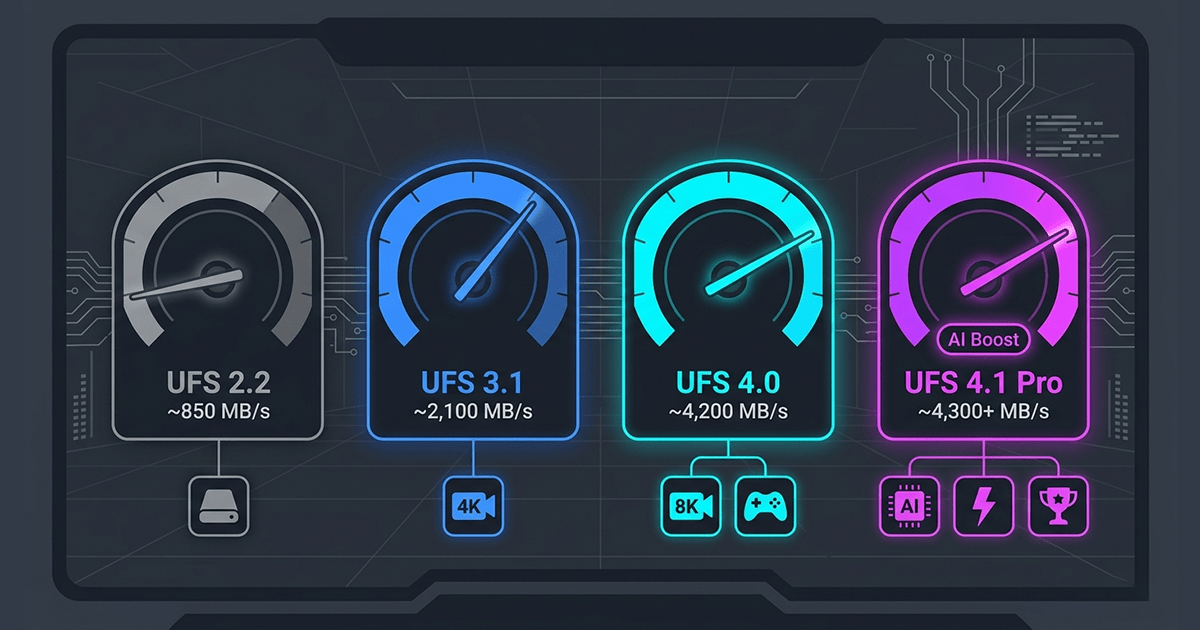
3. 💾 Internal Storage – Your Phone's Long-Term Memory
What it is: This is the permanent storage space for your operating system, apps, photos, videos, and files.
Choosing the Right Capacity:
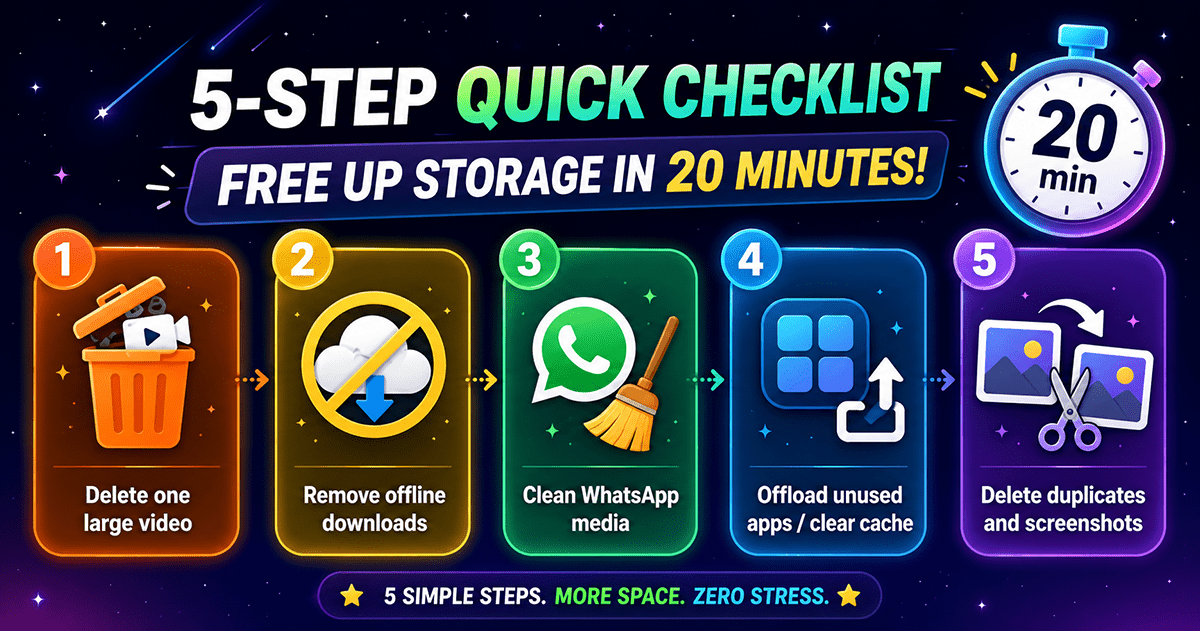
- 64GB: Viable if you use cloud services (Google Photos, iCloud) extensively and don't shoot much 4K video. Can feel tight quickly.
- 128GB: The most popular and recommended choice for the average user. Plenty of room for thousands of photos, dozens of apps, and some videos.
- 256GB+: Ideal for 4K/8K video shooters, users who download large games, or anyone who wants to keep their entire media library offline.
Warning: Check if the phone has expandable storage via a microSD card slot. Many flagship phones have removed this feature.
4. 📱 The Display – Your Window to the Digital World
Key Display Specs Explained:
- Size (Inches): Measured diagonally. 6.1" to 6.7" is the modern standard. Bigger is better for media, smaller is easier for one-handed use.
- Resolution: The number of pixels (e.g., 1080 x 2400). Full HD+ is sharp enough for most. Quad HD+ (1440p) is sharper but uses more battery.
- Display Type:
* OLED/AMOLED: Offers perfect blacks, vibrant colors, and better battery efficiency (as black pixels turn off). Found in mid-range and premium phones.
* LCD (IPS): Good quality, but blacks appear as dark grey and colors are less vibrant. Common in budget phones.
- Refresh Rate (Hz): The most noticeable upgrade in recent years. Standard is 60Hz. 90Hz, 120Hz, or even 144Hz makes scrolling, gaming, and animations feel incredibly smooth.
5. 📸 The Camera – It's Not Just About Megapixels
Megapixels (MP) count matters for detail and cropping, but it's not the whole story. These specs are more critical:
- Sensor Size: "Bigger is better." A larger sensor captures more light, resulting in better photos, especially in low light. Look for terms like "large sensor" or specific sizes (e.g., 1/1.56").
- Aperture (e.g., f/1.8): A lower number means a wider aperture, which lets in more light. Crucial for night photography and portrait mode blur (bokeh).
- Optical Image Stabilization (OIS): Physically stabilizes the lens to reduce blur from handshake. Essential for sharp low-light shots and stable video.
- Image Processing & Software: This is where brands differentiate themselves (e.g., Google's computational photography on Pixel phones). It can make or break the final image.
Pro Tip: Always look at real-world photo and video samples from reviewers, not just marketing images.
6. 🔋 Battery & Charging – Powering Your Day
Capacity (mAh): Milliampere-hour is a unit of battery capacity. A 5000mAh battery will generally last longer than a 4000mAh one, assuming similar hardware and usage.
Important Charging Features:
- Fast Charging (Wattage): Look for 30W, 65W, or higher for the fastest charge times. Can fully charge a phone in an hour or less.
- Wireless Charging: Convenient but typically slower than wired charging. Qi is the standard.
- Reverse Wireless Charging: A handy feature that lets you use your phone to wirelessly charge other devices like earbuds or smartwatches.
Remember: Real-world battery life depends heavily on your screen brightness, network connectivity, and how you use the processor.
7. 🔍 Other Important Specs You Shouldn't Ignore
- IP Rating (Water/Dust Resistance): e.g., IP68 means the phone can withstand dust and immersion in fresh water (usually up to 1.5m for 30 mins). Not for swimming or saltwater.
- Biometrics & Sensors: Under-display fingerprint sensors, fast and secure Face ID, gyroscope for gaming, compass, etc.
- Connectivity: 5G support (for future-proofing), Wi-Fi 6/6E, Bluetooth version, and the presence (or absence) of a 3.5mm headphone jack.
- Software Updates: How many years of Android/iOS and security updates does the manufacturer promise? (Google and Samsung currently lead in Android updates).
✨ Conclusion: How to Choose the Right Phone For You
There's no "best" spec, only the "right" spec for your usage:
- For the Casual User (social, web, casual photos): Prioritize a good mid-range processor, 6GB RAM, 128GB storage, and a decent OLED screen.
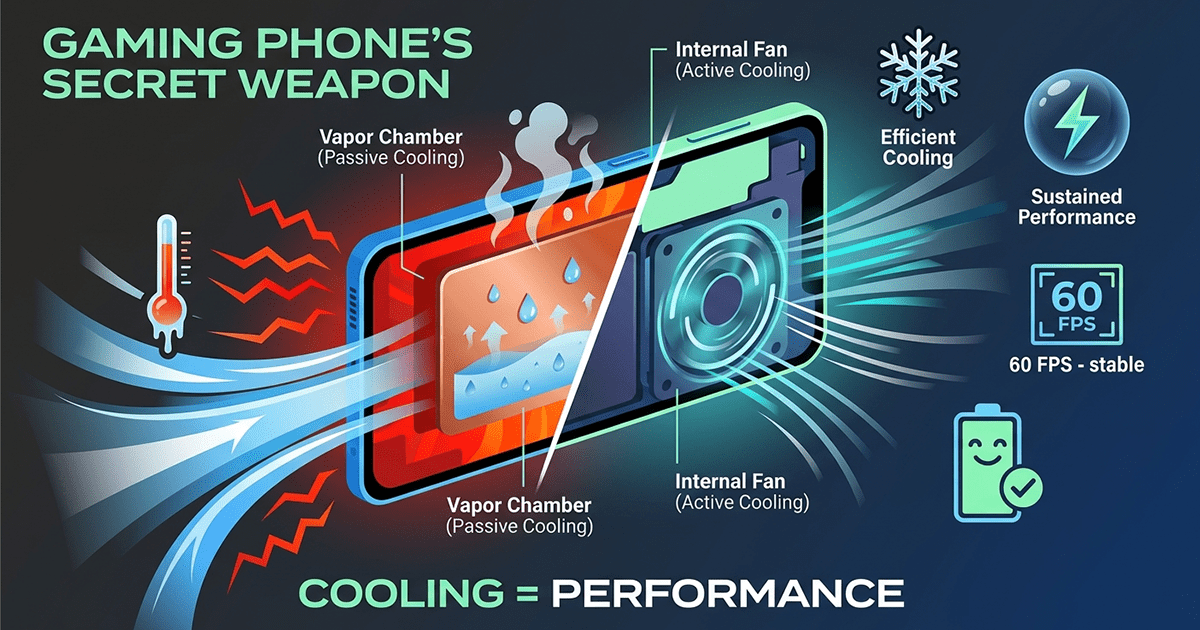
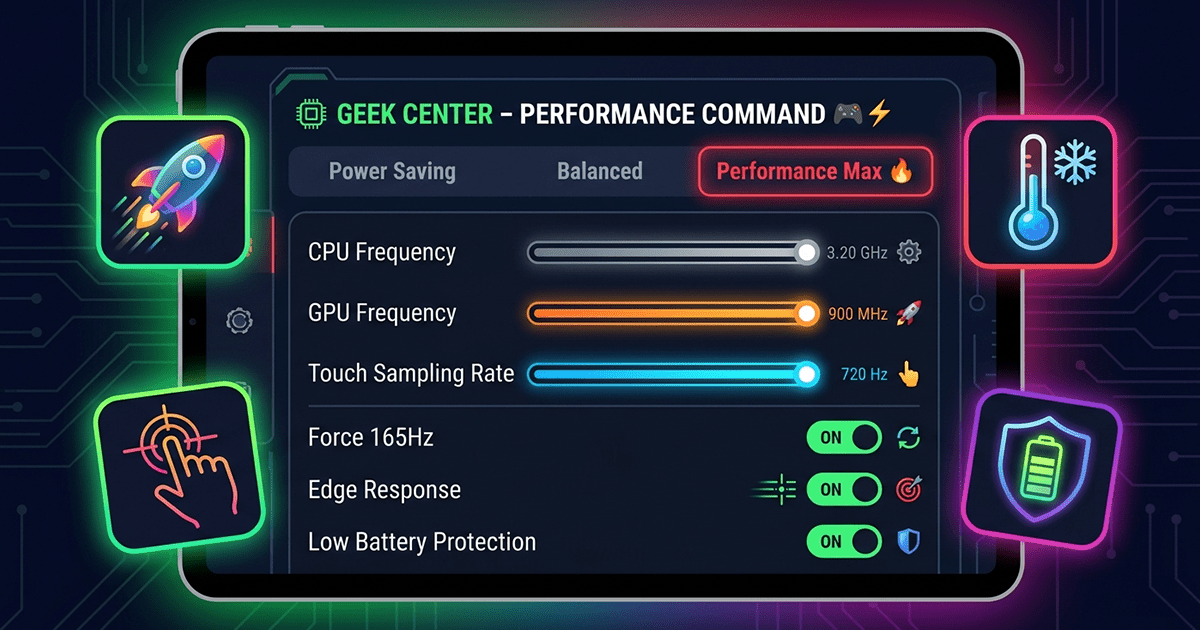
- For the Mobile Gamer: Focus on the top-tier processor (like Snapdragon 8 Gen series), at least 8GB RAM, a high refresh rate screen (120Hz+), and good cooling.
- For the Photographer/Content Creator: Look for camera systems with large sensors and OIS, ample storage (256GB+), and a high-resolution screen for editing.
- For the Battery Life Seeker: Max out the mAh (5000+), pair it with an efficient processor (like a Snapdragon 7 series), and look for power-saving display tech.
The Final, Most Important Step: Once you've shortlisted phones based on your budget and needed specs, watch detailed video reviews from trusted tech channels. See how the phone performs in the real world before you buy.
Armed with this knowledge, you can confidently navigate spec sheets, understand what you're paying for, and choose the smartphone that perfectly balances performance, features, and value for your unique needs.